Bedroom or Room With a Living Area? A Women’s Housing Guide
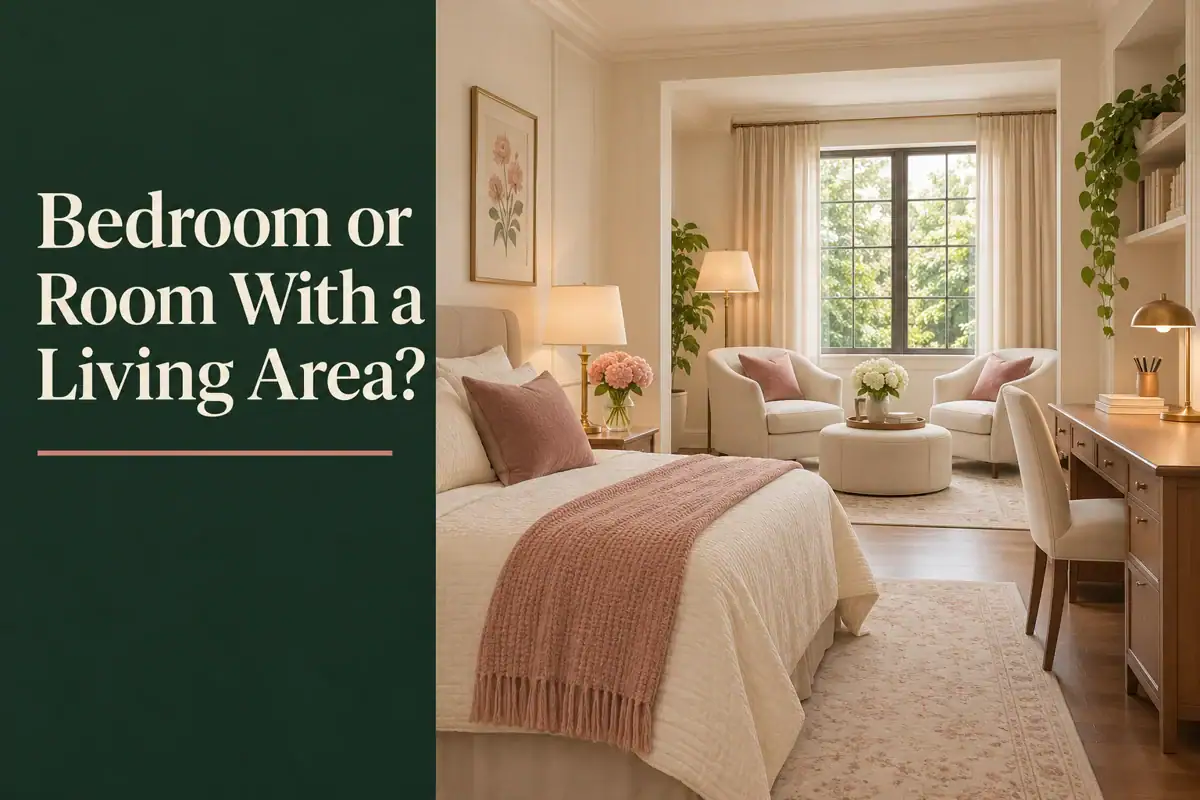
Bedroom or room with a living area in Riyadh?
When choosing women’s housing in Riyadh, decide whether you need a separate living area by listing what you will do in it. A seat for reading, a place to eat and a desk for regular work are different requirements. Check whether the proposed room offers a useful arrangement for those tasks, what furniture belongs to it and which spaces you would share. More floor area is helpful when it solves something you repeatedly need to do.
Start with a typical day. Picture waking up, preparing for study or work, returning, putting down your bag and spending the evening in the room. Name the moment when the bedroom alone would make a task difficult. If a separate seat or zone resolves that moment, it deserves a place on your comparison. You can browse the Lavuren room categories and ask the team to explain the actual layout of the category available for your dates.
Establish what “living area” means in the offer
A room may have a chair beside the bed, an open seating zone or a distinct space with a connecting door. Ask the provider to describe which layout applies. Check whether the living area is reserved for the room or shared with other residents. If it is part of a larger apartment, ask which areas are allocated to each resident and who uses the passage between them. A room name can introduce the layout, and a plan or viewing will show how it works.
The Room with Living Room category is one option you can ask Lavuren about. Compare its current details with the other categories and confirm the room you would receive. If your preference depends on a door separating the spaces, or on sole use of the seating, state that requirement directly. A photo of a sofa does not establish either detail.
When a provider gives a range of layouts, ask what is common across the category and which details vary by unit. You may be happy with a different furniture position but need a fixed work area or a specific access arrangement. Record what is confirmed and what will become clear later. Keep the response tied to the offer and dates so that you can use it if the room assignment changes.
Write the activities you want to separate
List the tasks you already perform instead of adding activities just because the extra room looks attractive. You might want to keep study papers away from the bed, have a proper seat for reading or store a work bag without moving it at bedtime. For each activity, identify the furniture or arrangement it needs. A chair, a table and a usable socket might resolve a task more effectively than additional empty floor space.
Consider how often you do the task and what alternative you already have. If most studying takes place on campus, occasional reading in the room may need only a good chair and light. If you work on a laptop from home most evenings, you may need a proper desk and a place to leave materials. Check what is permitted and practical before making the extra living area central to your choice. The furnished housing contents checklist helps you turn a preference into questions about confirmed furniture and services.
If you live with another woman, record each person’s regular activities. One may prepare for work early while the other studies late. A separate zone may help only if the actual layout, lighting and permitted use support the arrangement. Discuss which spaces each of you would use and ask the residence to clarify official allocation. An informal conversation between residents can organise a routine within those rules.
Check usable space with the furniture in place
Look at the routes you will repeat every day. Can you open the wardrobe, pull out the chair and reach the bathroom without moving personal items out of the way? If the room has an adjoining living area, check the doorway and the position of the furniture around it. A sofa may look generous while leaving limited space for the particular table you need. Assess the space as you would receive it.
Use measurements for things that matter to your routine. If you need to place a laptop and notebook side by side, ask about the desk rather than the overall room size. If you bring a suitcase or work bag, identify where it will go after unpacking. Ask whether you may move furniture and whether the photographed pieces are part of the offer. Record the relevant dimensions without treating a general floor-area range as the measurement of your assigned unit.
Try a simple practical sequence during a permitted viewing. Imagine arriving, putting your bag down, getting changed, sitting at the work surface and preparing for sleep. You do not need to touch every item or stage a complete move-in. Use the sequence to see where you would need a clearer answer. The furnished room viewing guide offers further checks for the room and the surrounding building.
Look at light, doors and the relationship between zones
If you plan to use the living area after another person has gone to sleep, ask how light passes between the spaces. An open layout and a layout with a door can affect your routine differently. Check whether one person would need to pass through the other’s space to get to the bathroom or exit. If you need privacy for calls, assess the setting appropriate to your work and follow your organisation’s rules for sensitive information.
Observe the room at the time available to you and note any question you cannot answer from that visit. A photograph with daylight may show the space well while leaving the evening arrangement unclear. Ask about the available lighting in the area you want to use. If you have a specific concern about noise or the relationship to a shared corridor, describe it and ask what can be observed or clarified before you decide.
Your own habits can matter as much as the layout. If you usually study until late and leave books open, a separate work area may be useful. If you prefer to pack everything away each evening, a smaller layout with suitable storage could work just as well. Check both against the tasks on your list rather than assuming that one category will suit every resident.
Compare a private living area with shared facilities
A common lounge can be useful if its purpose and access arrangements fit your day. Ask which activities are permitted, when you can use it and whether any arrangements affect space availability. A shared seating area may suit occasional reading or conversation while being unsuitable for regular private calls. Verify the particular task you want to do. At Lavuren, the community page and residence guidelines provide context for preparing your questions.
If a seating area is inside your room, check the rules that still apply to how it is used. A private space does not automatically establish permission for visitors or additional appliances. Ask about any plan that depends on those details before treating it as part of the room’s value to you. Keep routine use, visitor arrangements and furniture questions as individual points in your record so each receives the answer it needs.
Also think about what happens when the shared area is busy or you prefer to stay in your own room. If your plan relies on it every evening, ask how to verify its practical availability. If it is an optional extra, give it the appropriate weight in the comparison. This lets you judge a bedroom and a room with an adjoining area against the same daily requirements.
Work through three sample choices
Imagine a student who spends most afternoons on campus but reads before bed. She compares a bedroom with a suitable chair and storage against a larger room whose seating area has no work surface. She may find that the first room meets her actual needs once she confirms the furniture. The second category remains an option if she values the extra sitting space, but it is easier to see exactly what the difference would do for her day.
A second resident works on a project in Riyadh and regularly reviews papers in the evening. She wants to keep documents organised within the arrangements her employer permits and pack her bag for the next day. She tests the usable surface, power access and storage in both options. The project accommodation guide can help her connect the room arrangement with the dates and routine of the assignment.
A third resident shares a room with a woman whose timetable differs from hers. They ask whether an adjoining area can be used without interrupting the route to the bedroom and bathroom. They confirm how the room is allocated before discussing their evening routine. If the layout makes separate use difficult, they can consider other options while there is still time. These examples illustrate different priorities. They do not describe rooms available for any particular dates.
Use this message to clarify the layout
“I am comparing [category] for a move around [date]. I would like to use the living area for [activity]. Is it private to the room, and is it open to the bedroom or separated by a door? Could you confirm the furniture supplied, the position of the bathroom access and any layout differences within the category? My essential requirement is [requirement].”
If you have already seen the room, refer to the feature you need clarified. You could ask whether the work surface shown belongs to the proposed category or whether the sofa placement can vary. Keep the response with the room reference. If the offer changes, return to the same list and update the relevant answers. A clear note lets you compare options without relying on memory of several similar photographs.
If you expect to use the extra area regularly, name that activity when arranging the viewing. Ask to see the furniture and the route between the spaces that would make it possible.
Decide using the room you will actually receive
Before arranging the stay, check your two most frequent activities, the usable layout, the furniture included and which spaces are private or shared. Ask when you can confirm any detail that depends on final assignment. If a room is offered as a substitute, check those essentials again. You can then judge whether the room still supports the routine that led you to choose it.
For a women’s residence in Riyadh, contact Lavuren with your preferred dates, the categories you are comparing and the practical use that matters most. Ask for the current room details and availability. The team discusses enquiries and booking arrangements directly through its communication channels.