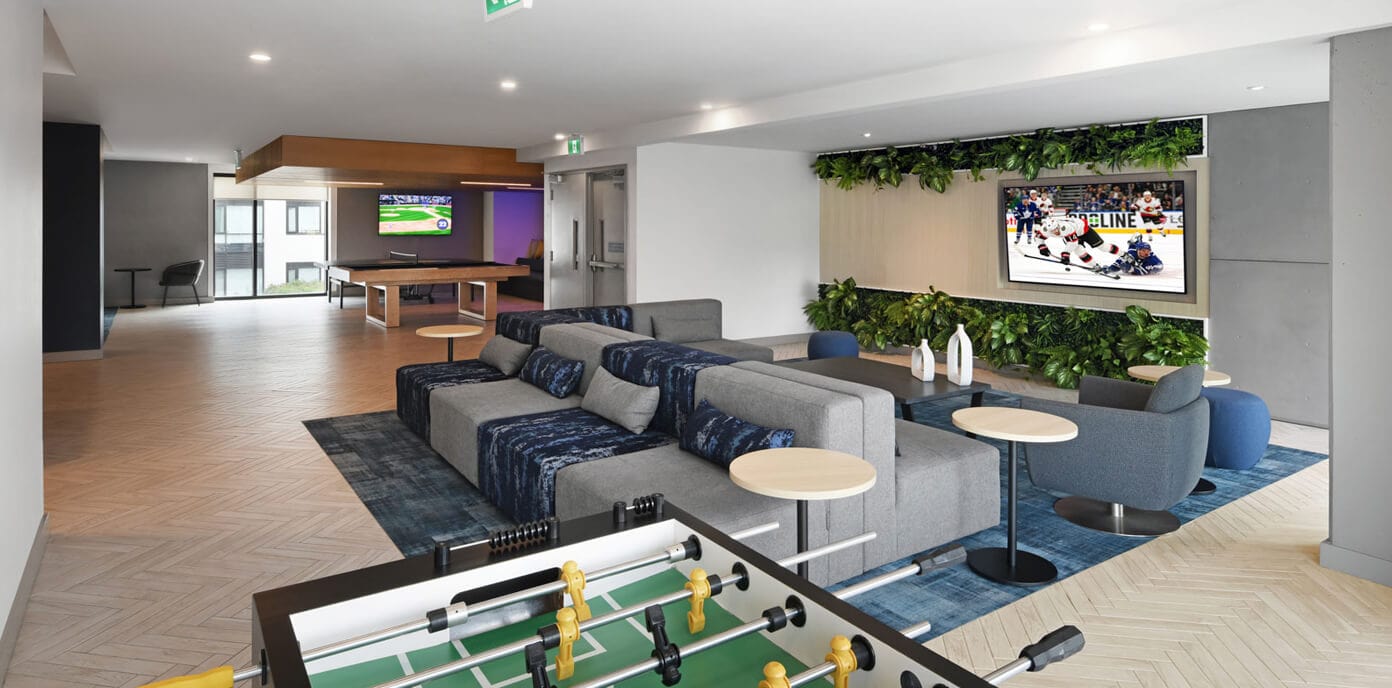
Privacy in Women’s Housing in Riyadh: Photos, Visitors and Daily Boundaries

Privacy in women’s housing works best when residents understand three separate boundaries: permission to use a space, permission to photograph someone, and permission to share what was recorded. A friendly invitation, a group chat or a camera facing a common area does not settle all three. Check the residence’s rules first, ask clearly before involving other people and share only the information needed for the particular purpose.
For a woman moving to Riyadh for study or work, privacy is part of feeling at home. It includes deciding when to socialise, keeping a personal conversation private and knowing where a visitor can be received. Those everyday choices deserve as much attention as the physical room. This guide focuses on photos, visits, deliveries and communication, rather than repeating a room-layout comparison or a technical internet-security checklist.
The practical examples are suggestions for respectful shared living. Where Lavuren’s own rules are discussed, they are identified as published policy. Always read the current Lavuren policies and guidelines and ask the team about anything unclear before making arrangements. This is not legal advice or a promise of absolute privacy.
Separate personal preferences from residence rules
A resident can express a preference about being photographed or joining a conversation. A residence can also have rules about visitors, facilities and publishing images. These operate together. Agreement between friends does not override a building rule, while permission to use a common area does not mean that everyone present wants to appear in a video.
Write down the distinction when planning an activity: what requires management clarification, what involves another person’s choice and what you can decide for yourself. For example, choosing a quiet activity for your free time is personal. Arranging a visitor requires the applicable residence procedure. Posting a shared-space photograph calls for both attention to the published rules and consideration of anyone identifiable in it.
If you are comparing housing options, use the private versus shared accommodation guide for the physical arrangement. Then ask these additional questions about daily boundaries. A private room and a respectful community are related, but one does not automatically establish how every shared-space interaction will work.
What Lavuren currently publishes about visitors and photos
Lavuren’s published guidelines state that visitors are not hosted inside rooms or apartments. Visitors may be received in designated common seating areas only, with prior management approval, and during the hours specified by management. Confirm the applicable arrangements before inviting someone; this guide does not add visiting times, visitor categories or exceptions.
The same guidelines ask residents to obtain prior management approval before sharing photographs or videos of Lavuren’s facilities on social media. Read the current page rather than relying on a screenshot passed between residents. If a proposed image includes another person, do not treat management approval as that person’s permission to be featured. Ask separately or choose an image without them.
These points come from Lavuren’s own published policy, checked when preparing this guide. Do not copy visitor arrangements from another university or residence and assume they apply here. Questions about a particular visit or photograph should go to the Lavuren team before the arrangement is made.
Before taking a photograph, check the whole frame
Look beyond the main subject. A mirror can include someone behind you. A television or laptop can reveal a private conversation. A desk can display an identity document, timetable or work information. Even a photograph without faces can identify a resident through a name label, distinctive belongings or a room identifier in the background.
Choose a simpler frame instead of assuming that a later crop will solve everything. Ask people to step outside the image only if they are comfortable doing so, or wait until the space is empty and photography is permitted. Do not move another person’s belongings to improve a composition without asking. A shared room or common area is still used by people with their own boundaries.
For a personal memory, explain what you are taking and why. “May I photograph you?” is more useful when followed by “I would like to send it to this small group” or “I am considering posting it publicly”. Different purposes deserve a separate conversation. If someone declines, choose a different image rather than trying to persuade them in front of everyone.
Permission to take a photo is different from permission to post it
A person may be comfortable appearing in a private photograph and uncomfortable with a public post. They may agree to one image but not a video containing their voice. They may prefer not to be named or tagged. Check the actual version and intended audience rather than asking a vague question that leaves these details unresolved.
Before sharing, ask yourself four questions: does the residence permit this use, has anyone identifiable agreed, does the background reveal unnecessary information, and is the intended audience clear? If any answer is uncertain, pause. You can often preserve the purpose with a close-up of an object or an illustration that does not identify the residence or its residents.
A helpful message is: “I have a photo from our conversation. Are you comfortable with this particular image being shared in this group, without your name?” This gives the other person something concrete to consider. It also avoids treating an earlier friendly conversation as blanket permission for future posts.
Keep video calls and voice messages from becoming shared broadcasts
Before joining a call in a shared space, check who can be seen and heard. Point the camera towards a neutral background, use headphones where appropriate and choose a location that does not carry other people’s conversations into the call. If the surroundings cannot be made suitable, postpone the video element or move to an appropriate space.
A family call and a work meeting can expose different information. A family member may ask who is nearby; a work screen may display confidential material. You do not need to introduce other residents or explain their schedules. Keep the conversation about your own plans, and avoid giving a live tour through areas where others expect ordinary residential privacy.
Voice messages also need consideration. Listening aloud in a common area can broadcast someone else’s private information. Before playing or forwarding a message, think about whether the sender expected that audience. Ask a specific question privately when clarification is needed instead of replaying a whole conversation to a group.
Plan a visitor’s arrival before extending an invitation
Start with the residence’s current visitor procedure. Find out what needs approval, which area may be used and what time arrangement applies. Then communicate only the confirmed plan to your visitor. Do not promise access to your room, another resident’s space or facilities simply because they are nearby.
At Lavuren, the published restriction on visitors inside rooms and apartments is the relevant starting point. Prior approval for a designated common seating area should not be presented as general permission to move around the residence. If the purpose or timing changes, ask the team whether the arrangement needs to be updated.
Prepare a simple message for your visitor: “I will confirm the approved meeting place and time after checking the residence procedure. Please wait for those details.” This avoids creating an expectation that residents or staff must solve at arrival. It also keeps another resident from being drawn into an arrangement they did not make.
Give delivery instructions without revealing other residents’ details
Ask management where deliveries should be received and what instructions may be shared. Do not assume a driver or courier can enter residential areas, leave items outside a particular room or ask another resident to receive them. Confirm the permitted process before using your own shortcut.
Use the minimum details needed for the approved delivery arrangement. There is no reason to include another resident’s name, phone number, timetable or absence in an order note. If someone offers to help, agree exactly what that help involves and whether their contact details may be shared. A favour on one occasion does not create standing permission for future orders.
Be equally careful with photographs of parcels. Labels may expose a full name, contact details or room information. If an image is useful to identify an item, frame it narrowly and send it to the appropriate recipient. Avoid posting all deliveries in an open group where people who are not involved can read the labels.
Set small boundaries in everyday conversations
You can be friendly without explaining every part of your schedule. A concise response such as “I am keeping that detail private” or “I will join another time” is enough. Sharing meals, attending an activity and discussing personal matters are separate choices. Joining one conversation does not oblige you to participate in all of them.
Use specific language when requesting a change: “Please ask before taking a picture near my desk” is clearer than “Respect my privacy”. Focus on the action and the preferred alternative. This makes the request easier to understand without assigning a motive to the other person.
Respect the same boundaries in return. Do not share another resident’s workplace, course, departure time or personal news simply because you know it. When someone asks you for information about a neighbour, direct them to speak to her rather than becoming an informal source of details about her life.
Manage group chats with a clear purpose
A useful resident chat has a defined purpose, such as discussing a shared task. Before adding someone, check that they want to join and understand what contact details the group exposes. Do not copy a private enquiry into a large conversation merely because it is more convenient than writing a short summary.
For a common issue, share a neutral update: “The team has been informed about the shared-area fault; an update is pending.” This usually communicates the practical point without exposing a staff member’s number, a resident’s room or an entire exchange. Use the established private channel for individual concerns.
If an old group no longer serves its original purpose, reconsider what you continue to share there. A conversation that once involved current neighbours may later include people who have moved away. Before sending a sensitive detail, check the audience rather than assuming it has stayed the same.
Protect privacy during maintenance and service visits
Ask how a visit will be arranged, whether room access is needed and what preparation the responsible team requests. Put away unrelated documents and personal items where practical. Do not photograph a worker or another resident as a substitute for verifying an appointment through the management channel.
For a fault report, show the affected item rather than a full view of your belongings. If you need help explaining a problem, our maintenance request and follow-up guide provides a message structure. It helps keep evidence focused while distinguishing receipt, a visit and an actual resolution.
Respond to a boundary problem without widening the disclosure
If it feels appropriate and safe, identify the specific action and ask for a practical change. For example: “That image includes me. Please stop sharing it while we clarify permission.” You do not need to argue publicly about someone’s intentions to explain what concerns you.
Where a concern persists, or you do not feel comfortable addressing it directly, use the management route. Provide the relevant time, place and action through a private channel. Avoid circulating the same image to more people to prove that it was shared. Ask how evidence should be provided and keep the description limited to what you can actually establish.
A privacy checklist before choosing women’s housing in Riyadh
Ask about visitor areas, image-sharing rules, delivery arrangements, service access and the private route for concerns. Review the room information alongside the community overview; neither should be read as permission to invent additional rules or guarantees. Note what has been confirmed and what still needs an answer.
Good boundaries make shared living easier to understand: check the rule, ask the person, limit the information and keep arrangements clear. To discuss how the current guidelines apply to your circumstances, contact Lavuren. A respectful women’s residence starts with clear expectations that people can follow in everyday situations.
For privacy at the entrance, see the parcel-delivery and address guide before arranging a handover or asking someone to receive a shipment.